For decades, marble was judged by its perfection — clean surfaces, uniform color, minimal veining. The closer it came to flawlessness, the more desirable it was considered. Today, that idea is quietly shifting.
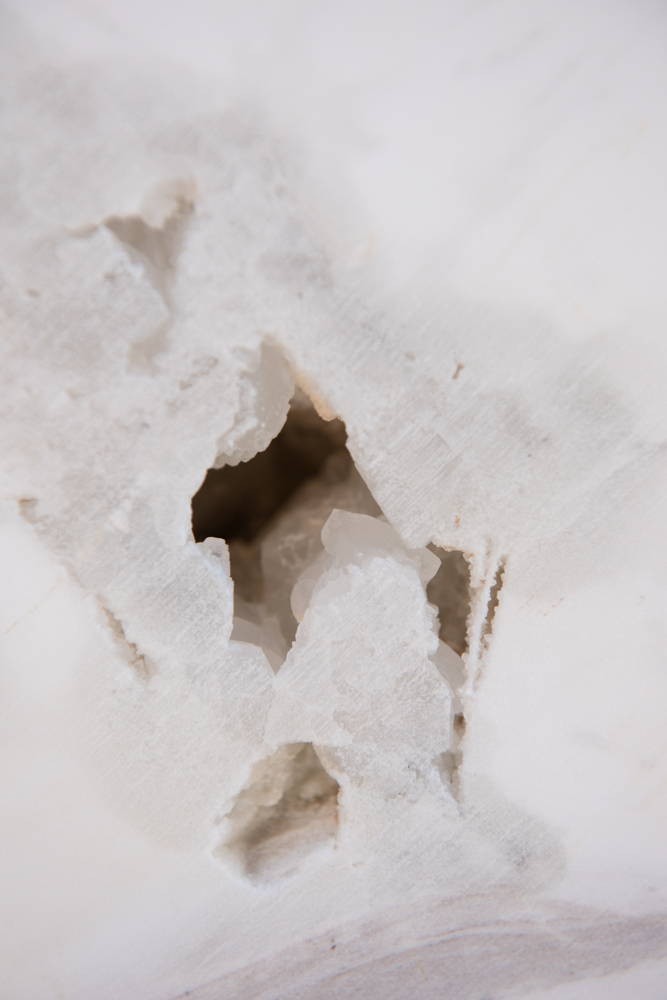
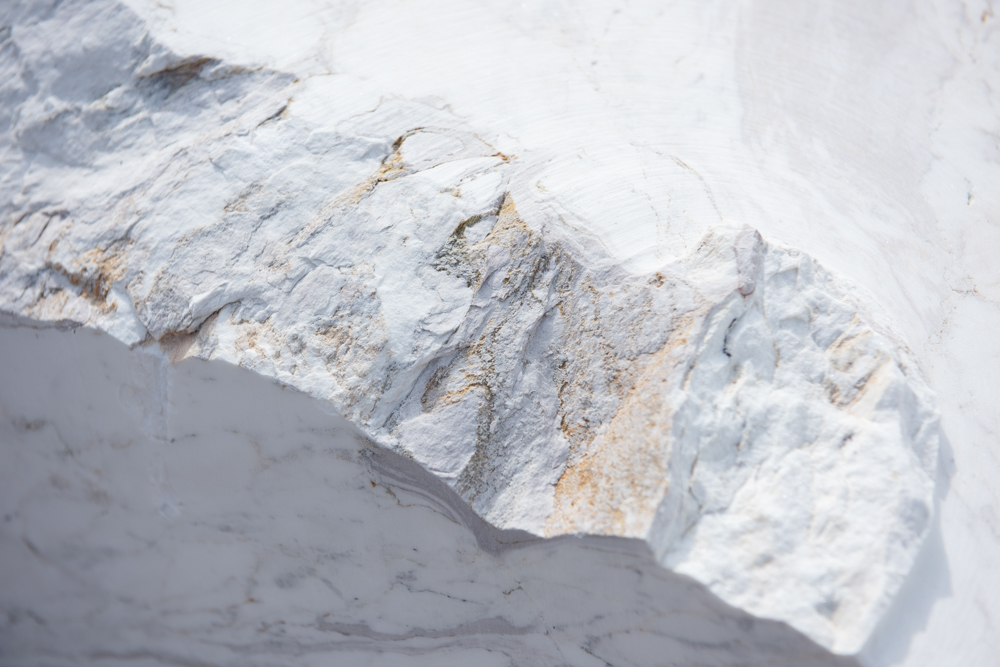
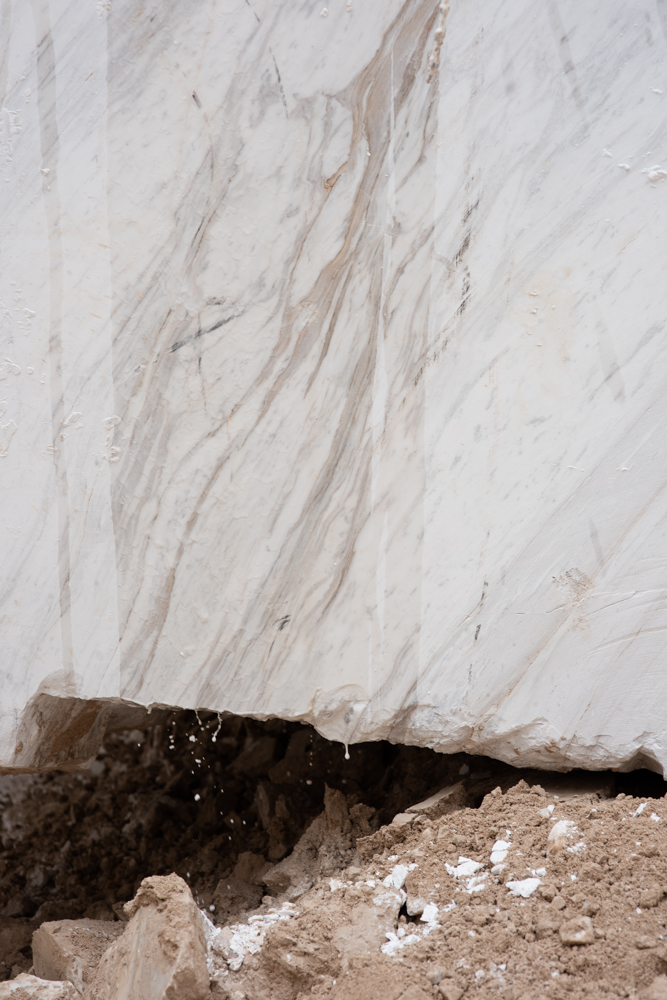
Imperfect marble, with its irregular veins, tonal variations, and unexpected markings, is becoming the new definition of luxury.
This change reflects a broader shift in how we perceive beauty. Instead of uniformity, we are drawn to individuality. A slab with movement, contrast, and natural “imperfections” tells a story — one that cannot be replicated. It feels more authentic, more connected to the earth, and ultimately more valuable.
Designers and architects are increasingly embracing this raw character. Rather than hiding variation, they highlight it — using bookmatching, bold cuts, or large surfaces that allow the material to express itself fully. What was once rejected is now carefully selected.
There is also a sense of honesty in imperfect marble. It reminds us that this is not a manufactured product, but a natural material shaped over millions of years. Its irregularities are not defects; they are its identity.
In a world where everything can be standardized and reproduced, true luxury lies in what cannot be repeated. Imperfect marble offers exactly that: uniqueness, depth, and a quiet kind of sophistication that doesn’t need to be flawless to be exceptional.