Request a consultation

Women’s Creativity in Marble Sculpture: Carving Space, Power, and Identity

MARBLE & ART

Women’s Creativity in Marble Sculpture: Carving Space, Power, and Identity

For centuries, marble symbolized permanence, authority, and empire. It was the material of gods, heroes, generals, and monuments — a medium historically dominated by men. Yet women artists, often excluded from academies and professional workshops, carved their own space in stone.

Their contribution did more than add new names to art history. It reshaped what marble could mean.


Breaking Barriers in a Male-Dominated Field

Harriet Hosmer (1830–1908)

In the 19th century, women were often denied access to anatomy classes, professional training, and large public commissions. Sculpture — especially marble carving — was considered physically and intellectually unsuitable for women.

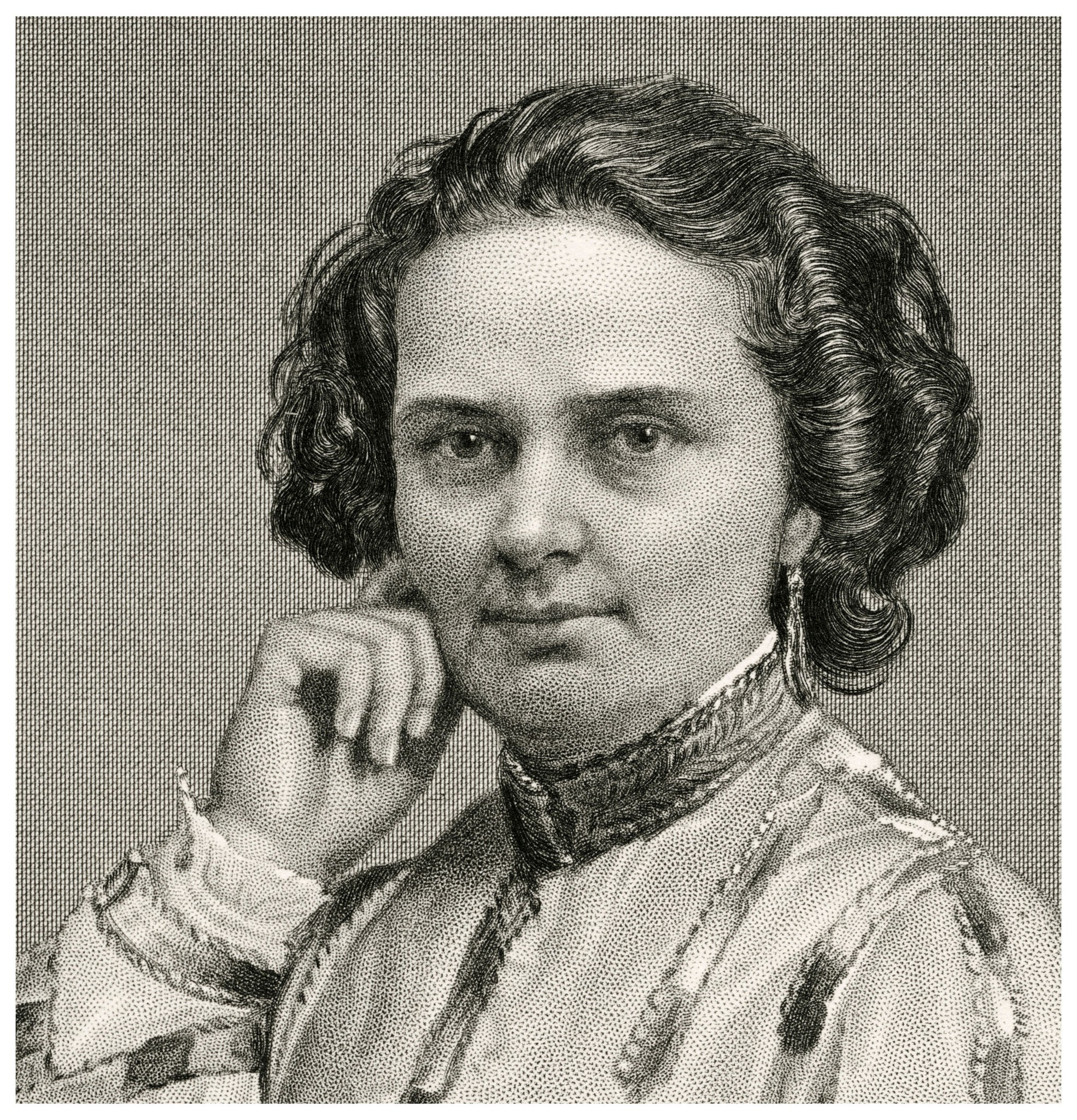
Harriet Hosmer defied those assumptions. Working in Rome among leading Neoclassical sculptors, she became one of the first professional female marble sculptors in the United States.

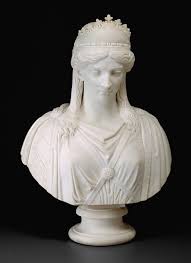
Her famous work Zenobia in Chains portrays the ancient queen not as a defeated captive, but as a dignified and composed ruler. Hosmer reimagined female figures as resilient, intelligent, and powerful — challenging the era’s passive ideals of femininity.

Through marble, she carved both form and freedom.

Sensuality and Emotional Intensity

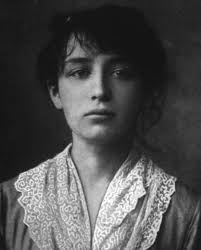
Camille Claudel (1864–1943)

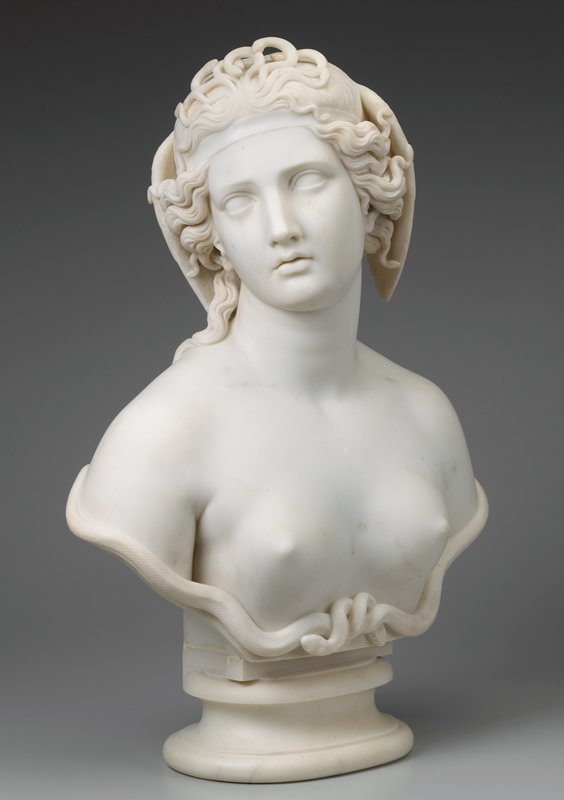
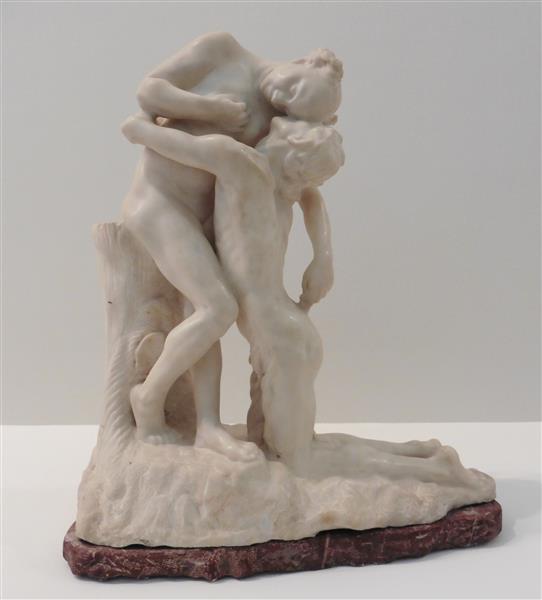
Where Neoclassicism sought ideal beauty and composure, Camille Claudel introduced emotional turbulence and psychological depth.

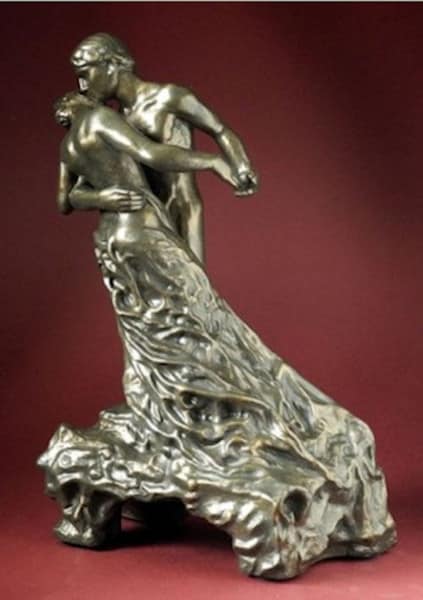
Her marble sculptures capture twisting bodies, intimate gestures, and fragile moments suspended in time. Works such as The Waltz embody movement so fluid that the stone seems almost alive.

Claudel shifted marble away from cold perfection toward emotional realism. Her figures breathe, reach, and struggle. Vulnerability becomes strength. Sensuality becomes expression rather than objectification.

In her hands, marble was no longer distant and monumental — it became intimate.

Redefining Form in the 20th Century

Barbara Hepworth (1903–1975)

By the 20th century, women sculptors were not only claiming space — they were redefining sculpture itself.

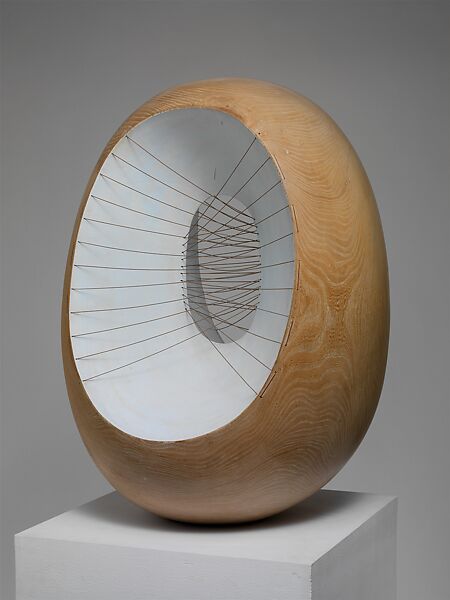
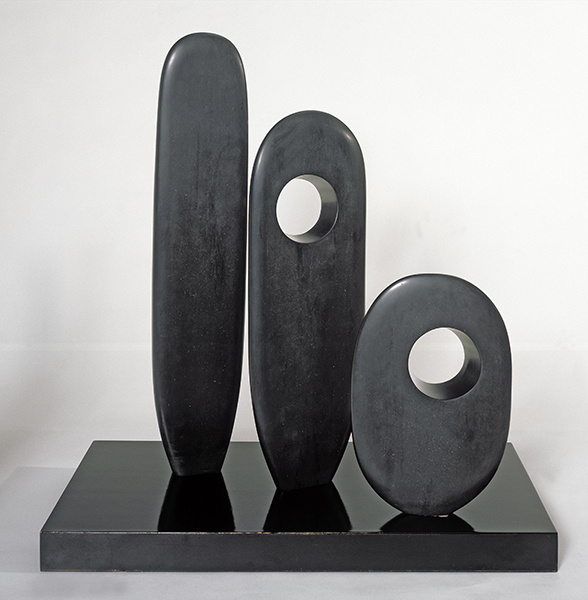
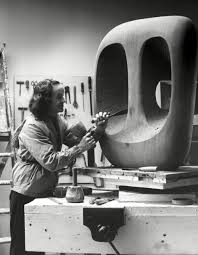
Barbara Hepworth pioneered direct carving in marble, meaning she worked directly into the stone rather than modeling first in clay. Her most radical innovation was the pierced form: openings carved through solid marble.

These voids transformed the relationship between mass and space. The hole was no longer absence — it became presence. Light moved through the sculpture. Air became part of the composition.

Hepworth’s work balanced abstraction and organic forms inspired by nature, turning marble into something breathing, spatial, and modern.

Contemporary Women and New Perspectives

Today, women artists continue to challenge the historic weight of marble. Instead of glorifying conquest or heroic power, many contemporary sculptors explore feminist identity, body politics, cultural memory, environmental concerns, and deeply personal narratives.

Marble is no longer treated solely as a monument to permanence. Artists combine it with textiles, metal, found objects, and even digital elements, allowing the classical material to enter contemporary conversations. In their hands, marble becomes a surface for questioning permanence rather than simply representing it.


Explore our journey as we continue to shape spaces with timeless elegance and craftmanship

VIEW ALL ARTICLES