Request a consultation

The Use of Marble in Contemporary Sculpture

MARBLE & ART

The Use of Marble in Contemporary Sculpture

Marble has always been closely linked to the history of sculpture, particularly classical art. Despite the rise of new materials and techniques in contemporary times, many artists continue to use marble, exploiting both its aesthetic beauty and symbolic significance.

Marble in Modern Greek Art
Marble has an almost symbolic status in Greek culture, closely tied to antiquity and classical sculpture. In modern Greek art, it is not treated merely as a traditional material but as a medium through which artists negotiate memory, identity, and modernity. Rather than simply imitating ancient models, modern sculptors reinterpreted marble to express personal emotion, new aesthetic ideas, and contemporary social concerns.

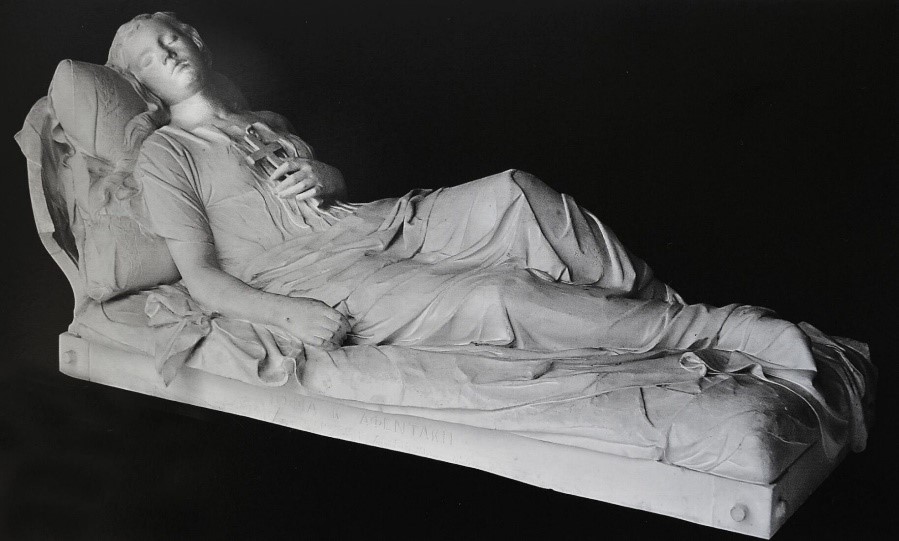
Yiannoulis Chalepas (1851–1938)
Yiannoulis Chalepas is often considered the most tragic and emotionally charged figure in modern Greek sculpture. His life was marked by mental illness and long periods of artistic silence, which deeply influenced the expressive power of his work. Chalepas began with a neoclassical style but gradually moved toward a more introspective and expressive approach. His sculptures focus on inner emotion rather than idealized beauty.
Key Work – The Sleeping Woman (1878): This funerary sculpture is one of the most famous works in modern Greek art. Although rooted in neoclassical tradition, it stands out for its subtle melancholy, psychological depth, and sense of stillness. The figure appears peaceful, yet the work conveys loss and quiet sorrow.

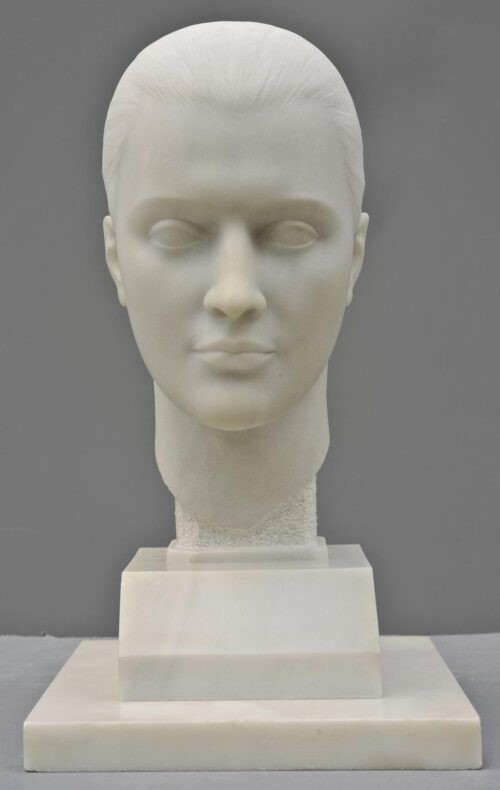
Michalis Tombros (1889–1974)
Michalis Tombros represents a decisive turn toward modernism and abstraction in Greek sculpture. Approach to Marble:
Unlike Chalepas, Tombros rejected emotional narration and detailed realism. He treated marble as a material for exploring form, rhythm, and structure. Modernist Influence: Influenced by European avant-garde movements, Tombros emphasized simplification, geometric clarity, and abstraction. The human figure often becomes a reduced, almost architectural form.
Contribution: Tombros played a crucial role in introducing modern sculptural ideas to Greece, showing that marble could be used not only for classical revival but also for bold, contemporary experimentation.

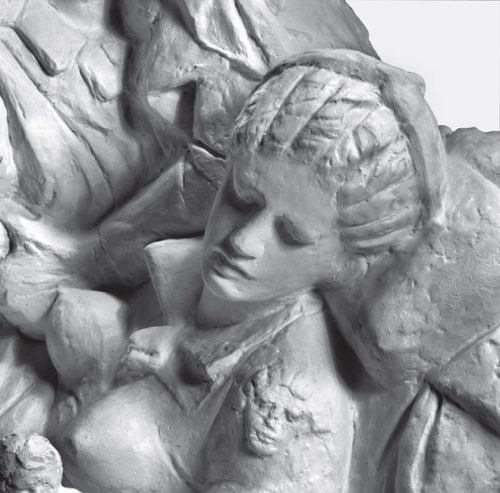
Thodoros Papagiannis (b. 1942)
Thodoros Papagiannis brings marble into dialogue with collective memory, history, and public space.  Monumental Scale:
His marble sculptures are often large and designed for outdoor or public settings, where they interact with landscape and community. Themes: Papagiannis frequently addresses historical events, folk tradition, and national identity. His work invites viewers to reflect on shared experiences rather than individual emotion. Public Art and Identity: By placing marble sculptures in public spaces, Papagiannis transforms marble into a medium of communal remembrance, linking ancient material with modern social meaning.

On the International Stage, contemporary and modern artists have continually reinterpreted marble, transforming a material traditionally associated with classical ideals into a vehicle for modern and conceptual exploration.

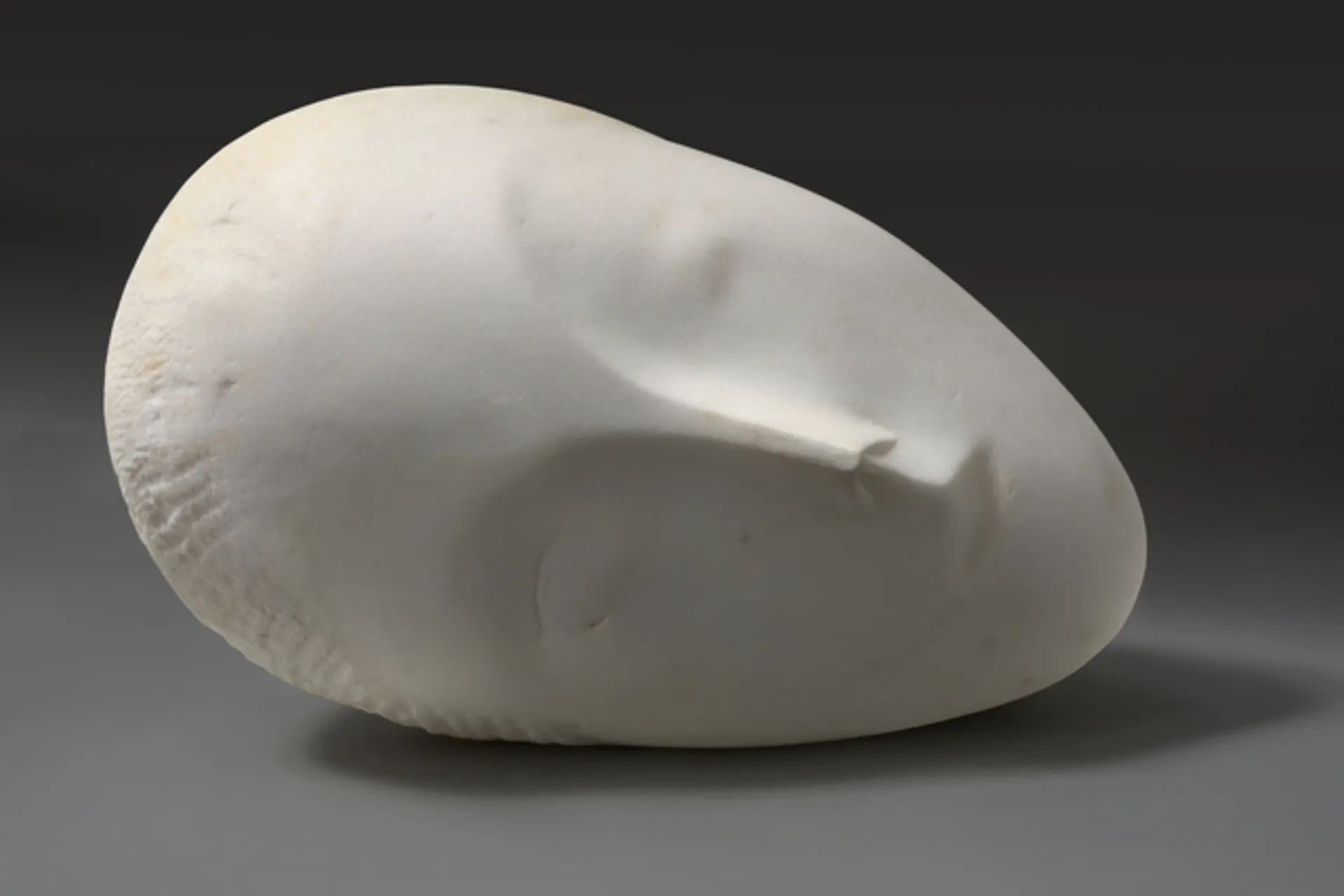
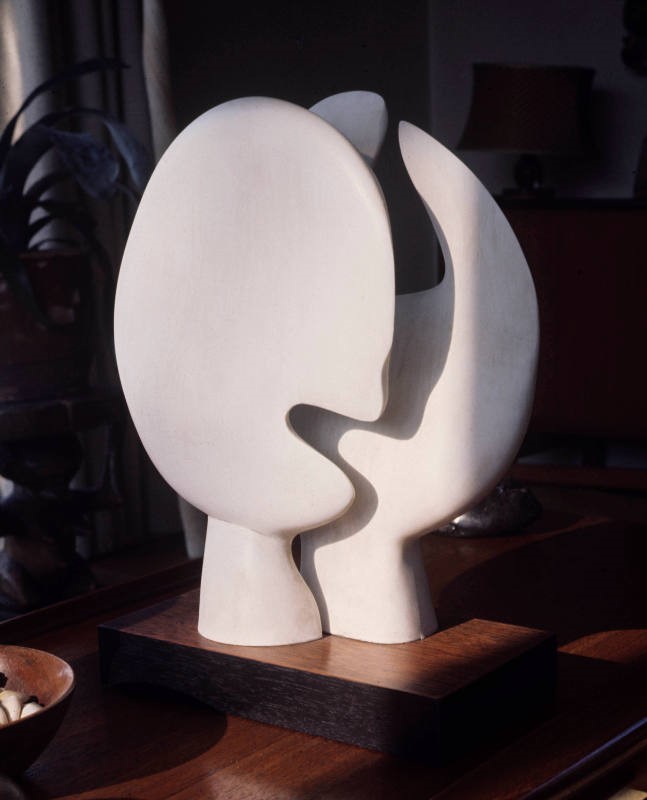
Constantin Brâncuși was a pivotal figure in this shift. Rather than using marble to replicate realistic anatomy or narrative scenes, he pursued radical simplification. His sculptures reduce forms to their essential shapes, often polished to a smooth, reflective surface that emphasizes purity and timelessness. Works such as The Kiss and Sleeping Muse show how Brâncuși treated marble not as a means of imitation but as a material capable of expressing universal ideas, spirituality, and inner essence through abstraction.

Henry Moore, by contrast, approached marble and stone with a deep sensitivity to natural forms and the human body. While his work remains abstract, it is strongly rooted in figuration. Moore was fascinated by the way the human figure could echo landscapes, bones, shells, and rocks. In his marble carvings, he often embraced the material’s weight and texture, allowing tool marks and natural imperfections to remain visible. This approach reinforced his belief in “truth to materials,” where the sculpture’s final form emerges through a dialogue between the artist and the stone itself. The recurring use of voids and hollows in his work also transformed marble into a dynamic structure, activating the space around and within the sculpture.

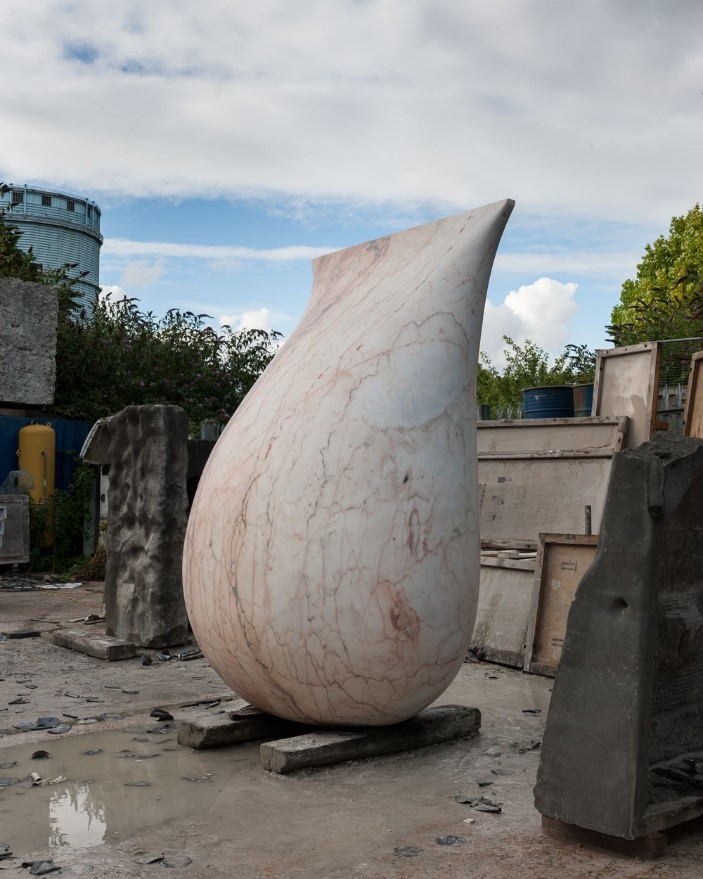
Anish Kapoor represents a more contemporary and conceptual engagement with marble. He uses the material in monumental works that challenge perception and provoke introspection. Kapoor is particularly interested in ideas of emptiness, infinity, and transcendence. His marble sculptures often feature deep cavities, highly polished surfaces, or intense pigments applied to the stone, creating a sense of depth that appears to absorb the viewer’s gaze. Rather than presenting marble as a static, solid substance, Kapoor turns it into an experiential medium—one that invites viewers to confront notions of space, void, and the metaphysical. In doing so, he repositions marble as a living, sensorial material capable of evoking emotional and spiritual responses.

Together, these artists demonstrate how marble has evolved from a symbol of classical permanence into a versatile and expressive medium. Through abstraction, organic form, and conceptual inquiry, they have expanded the possibilities of marble sculpture, ensuring its continued relevance within contemporary art practice.

Marble remains a relevant and versatile material in contemporary sculpture. Through diverse artistic approaches, modern sculptors bridge tradition and contemporary creativity, proving that marble is not only a material of the past but also an essential part of today’s artistic expression.


Explore our journey as we continue to shape spaces with timeless elegance and craftmanship

VIEW ALL ARTICLES