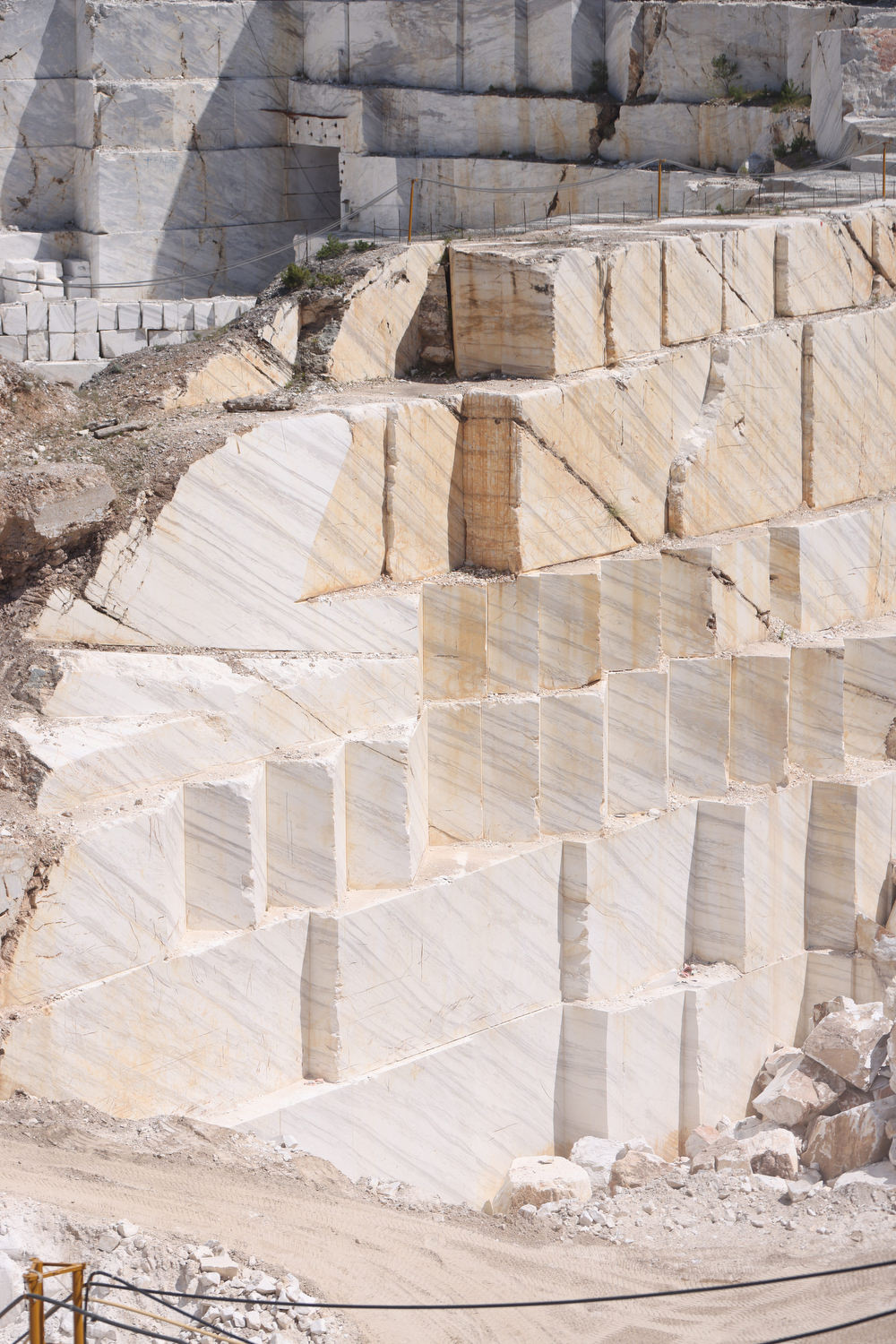
As sustainability becomes increasingly important in architecture and construction, many designers and developers are re-evaluating the materials used in their projects. Natural stone, including marble, is often considered one of the most sustainable building materials available.
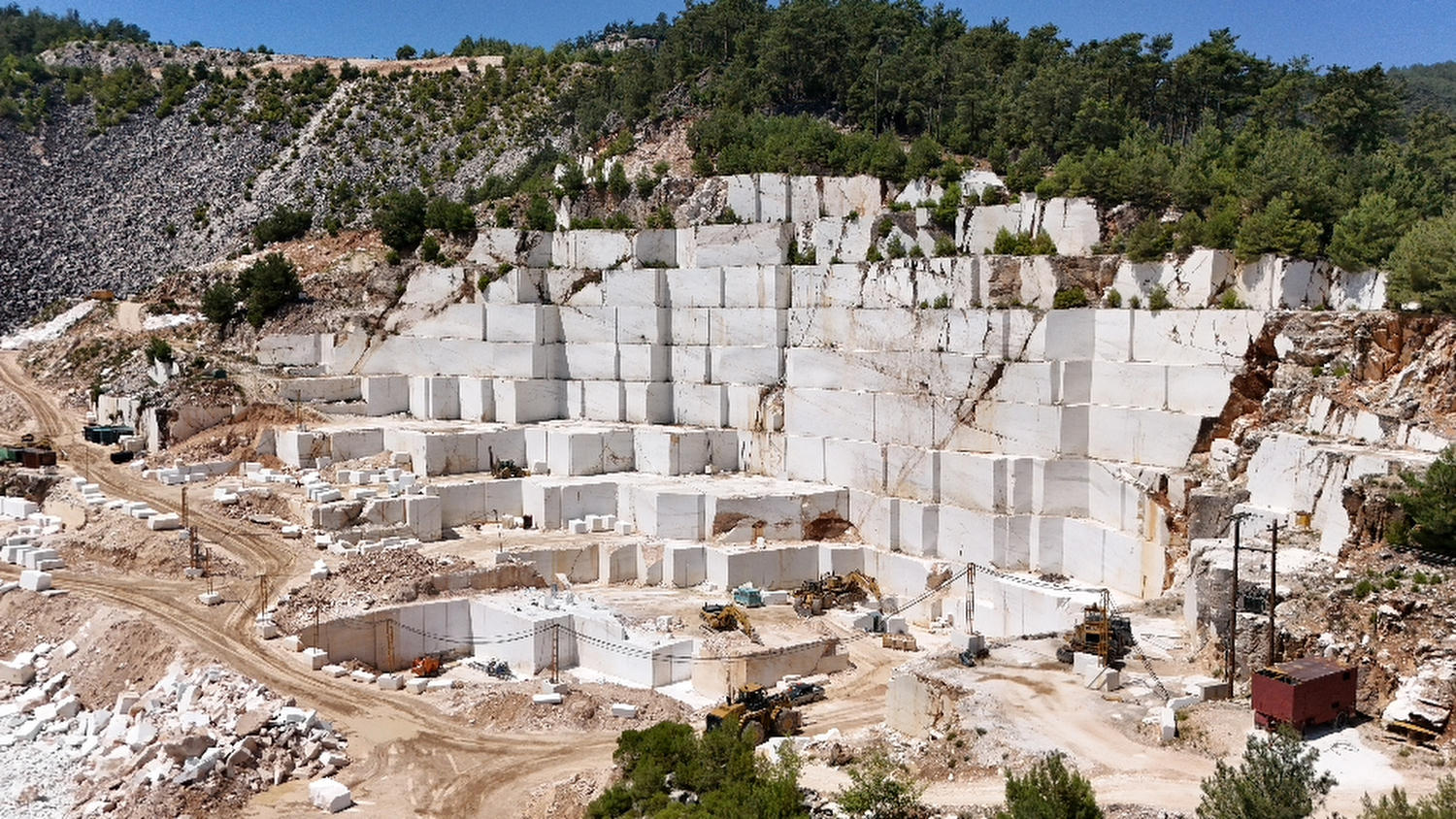
Unlike many synthetic or heavily manufactured materials, natural stone is formed by nature over millions of years. Once extracted from the quarry, it requires relatively limited processing before it can be used in construction. Cutting, shaping, and finishing the stone typically involve less industrial transformation compared to materials such as ceramics, engineered stone, or concrete products.
Another important advantage of natural stone is its exceptional durability. Marble and other natural stones can last for decades or even centuries without losing their structural integrity or aesthetic value. Many historic buildings around the world still feature original marble surfaces that remain in excellent condition after hundreds of years.
Because of this long lifespan, natural stone reduces the need for frequent replacement and renovation. This contributes to lower material consumption and reduced environmental impact over time.
Natural stone also offers the benefit of reusability and recyclability. In many cases, marble from older structures can be repurposed for new architectural projects or reused in landscaping and design applications. This extends the life cycle of the material and minimizes waste.
For these reasons, natural stone continues to be recognized as a durable, responsible, and environmentally conscious choice for contemporary architecture.